THE ESSENCE OF YOGA
A Transformational Journey
with
Guy Donahaye
December 2026 - July 2027
JOIN THE COURSE
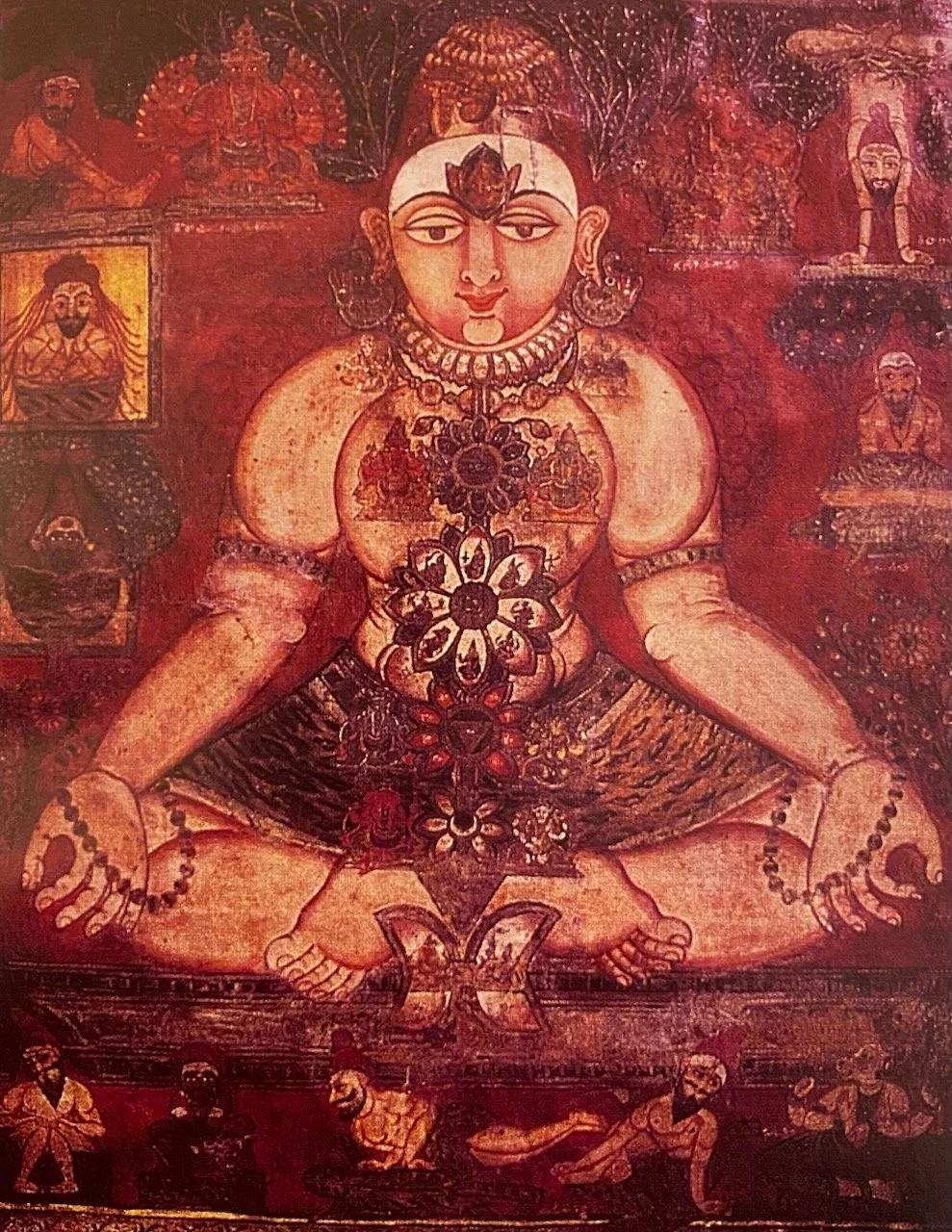
Studies in Samādhi
The word yoga has two meanings - in the first place it indicates a particular natural condition of the mind known as samādhi - and on the other hand, if that state of samādhi does not occur naturally, the word yoga indicates a practice which can take you there.
SAMĀDHI is NECESSARY
Few people believe that such states of yoga are accessible to ordinary people, but yogis assert that Samādhi is a natural phenomenon that all human beings are able to experience. In fact, a human being should experience Samadhi on a regular basis. It is just as important as the other three states of consciousness - the waking, dreaming and deep sleep states - for our good health.
According to yogis, every human being experiences Samādhi in utero. We have a dim memory of this deep state of peace and bliss, and our constant drive to satisfy our desires or to avoid discomfort in life is nothing but the craving to recover this natural state of peace.
THEORY AND PRACTICE
But the bliss of Samādhi is accessible through yoga practices, and this is a central theme of this course. Just as the study of cookery will not provide one with delicious and nourishing food unless you also cook the ingredients and then eat your meal, the study of yoga will not produce any desired results without practice. This course will therefore be a combination of theory and practice, which is the best way to get results.
TEACHING METHODOLOGY
“Yoga is the practical field of knowledge” * Śrī BNS Iyengar
Yoga is meaningless without practice. We cannot understand or appreciate it abstractly - it only makes sense through experience. This applies equally to āsana, prāṇāyāma, meditation and using the analytical mind (discrimination).
Exploring yoga philosophy is therefore a practice - it should transform our understanding, just as āsana transforms the body. For this purpose we apply a timeless three part practice, first described in the Bṛhadāraṇyaka Upaniṣad - this involves first hearing about the truth, then reflecting on what one has heard and finally understanding the truth in depth through meditation.
आत्मा वा अरे द्रष्टव्यः श्रोतव्यो मन्तव्यो निदिध्यासितव्यः ।
ātmā vā are draṣṭavyaḥ śrotavyo mantavyo nididhyāsitavyaḥ
“To see the Self (ātmā) you should hear the exalted truth, reflect on it and then meditate on your reflections”
Bṛhadāraṇyaka Upaniṣad 2.4.5
~
WHO IS THIS COURSE FOR?
Are you looking for more depth in your practice, beyond the physical?
Are you looking for authentic spiritual teaching?
For guidance in the more subtle aspects of yoga, in pranayama and meditation?
What is Samādhi - is it accessible?
you are invited to join a transformational journey…
~
what you will receive:
in depth study of the Yoga Sūtra
deepening of āsana, prāṇāyāma and meditation practice
paralell study of the Upaniṣads, Haṭha Yoga Texts and Advaita Philosophy
theory understood through discussion and reflection and then deepened through meditation
community of self-study undertaken together, in weekly discussion
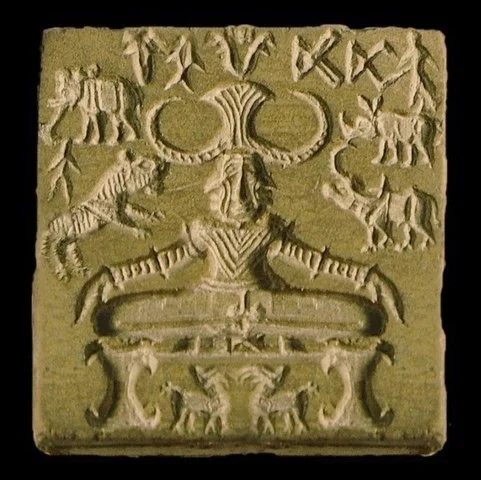
Course Structure
This eight month course is subdivided into the study of the four "pādas” (chapters) of the Yoga Sūtra (Samādhi, Sādhana, Vibhūti and Kaivalya Pādas). We will dedicate around two months to each of the first two chapters, with a one month break between. Then the third and fourth chapters, which are shorter and have less commentary, will be taught together over a 10 week period.
The Yoga Darśana, which is represented by Patañjali’s teaching, is one of six systems of Indian philosophy, all of which base their teaching on Vedānta (the Upaniṣads). Other Darśanas include Sāṃkhya and Advaita Vedānta - two world views that we shall explore in some depth. Yoga did not evolve in a vacuum - it emerged alongside these other systems of philosophy and our sūtra study will be complimented and enhanced by exploring these other sources.
We will extract essential readings from the Bhagavad Gītā, Sāṃkhya Kārikā, Sāṃkhya Sūtra, Kaṭha Upaniṣad, Māṇḍūkya Upaniṣad, Taittirīya Upaniṣad, Yogatārāvalī, Dṛg Dṛśya Viveka, Haṭha Yoga Pradīpikā, Yogayājñavalkya Saṃhitā, Yoga Upaniṣads and more…
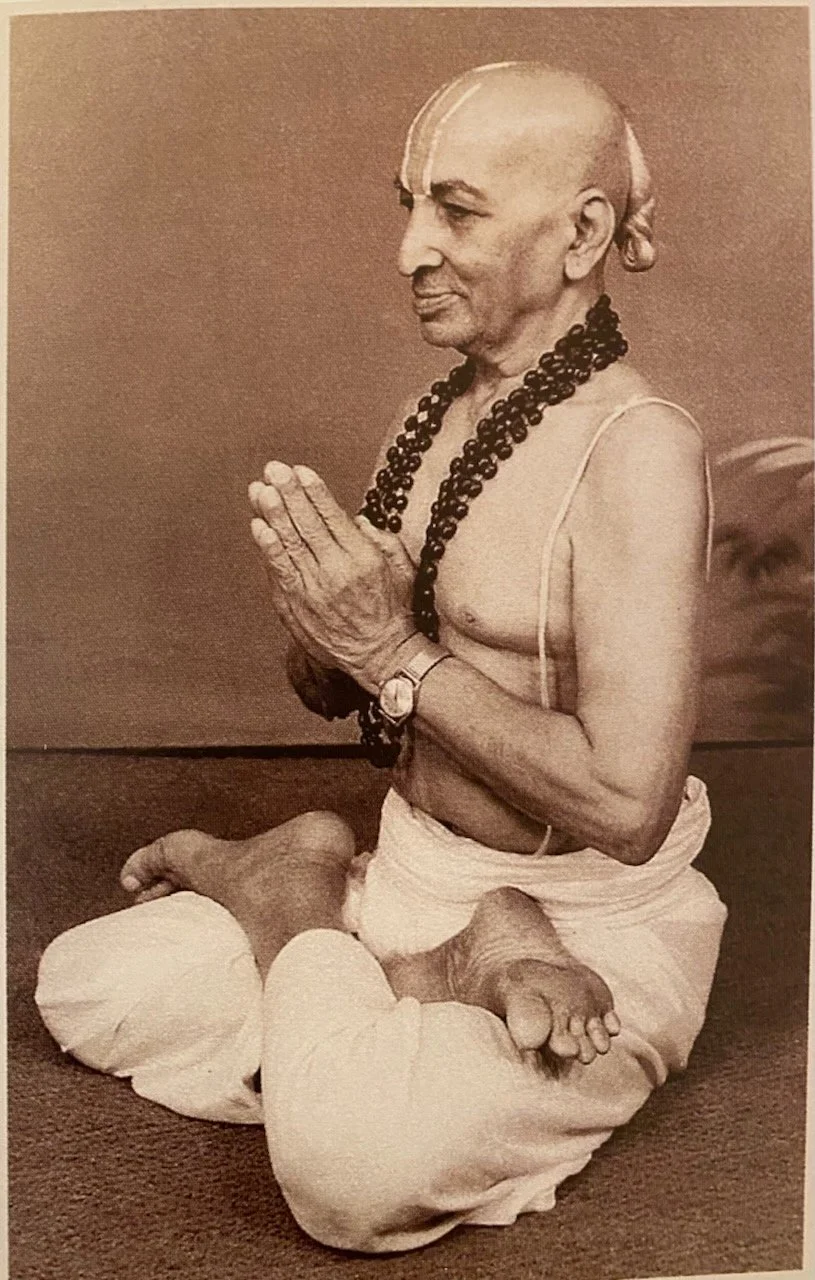
T Kṛṣṇamācārya
Kṛṣṇamācārya and his students were often critical of book learning - they used to say, you cannot learn yoga through reading alone, you can only understand theory through practice. The modern academic approach is reductionist - this is the antithesis of yoga which is unifying. As the saying goes:
“Yoga is One - Paths are Many”
So, our approach will follow this formula - we will study, reflect/discuss and then meditate on our reflections.
Each week we will explore one section of the Sūtras in depth, looking at important commentaries and then we will also look at another text that can shine more light on our studies.
Readings from the supplementary texts will be in English, without reference to the Sanskrit original or in depth commentaries.
Two lectures will be recorded per week - one will be a commentary on 4-5 sūtras, the other will be a talk based on a relevant essential reading from the Indian Corpus. Students will have access to source texts and will be guided by several questions to research deeper. Then we shall meet on Saturday to discuss. After discussion we will set aside time for prāṇāyāma and meditation.
We will focus on the original Yoga Sūtra commentary of Vyāsa and on that of Hariharānanda Āraṇya. I will also share my own reflections based on my studies with various teachers in India, mainly from my studies with Dr KL Śaṅkaranārāyaṇa Jois.
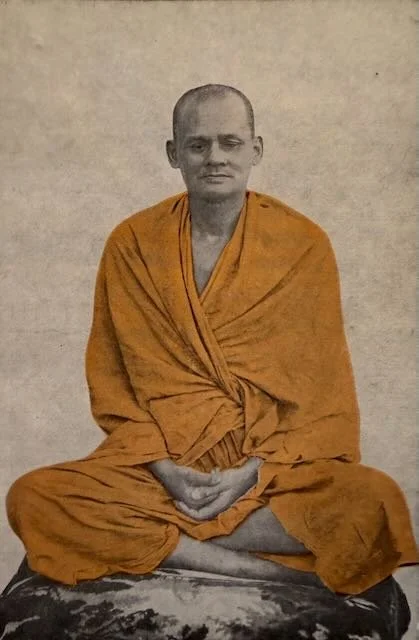
Hariharānanda Āraṇya
Schedule Details
This eight month study includes:
28 recorded talks on the Yoga Sūtra (average 75 min each)
28 recorded talks on the Secondary Texts (average 60 min each)
28 live meetings to discuss the texts/practice prāṇāyāma and meditation (2hrs Saturdays)
Yoga Sūtra Text including Vyāsa’s Commentary, digital copies of the supportive texts, where available
Yoga Alliance Certification
LIVE SCHEDULE *
Saturdays
12 PM London
7 AM New York
* All Classes are Recorded for Review
DATES
Samādhi Pāda - December 5 - January 30
Sādhana Pāda - February 27 - April 24
Vibhūti and Kaivalya Pāda - May 29 - July 31
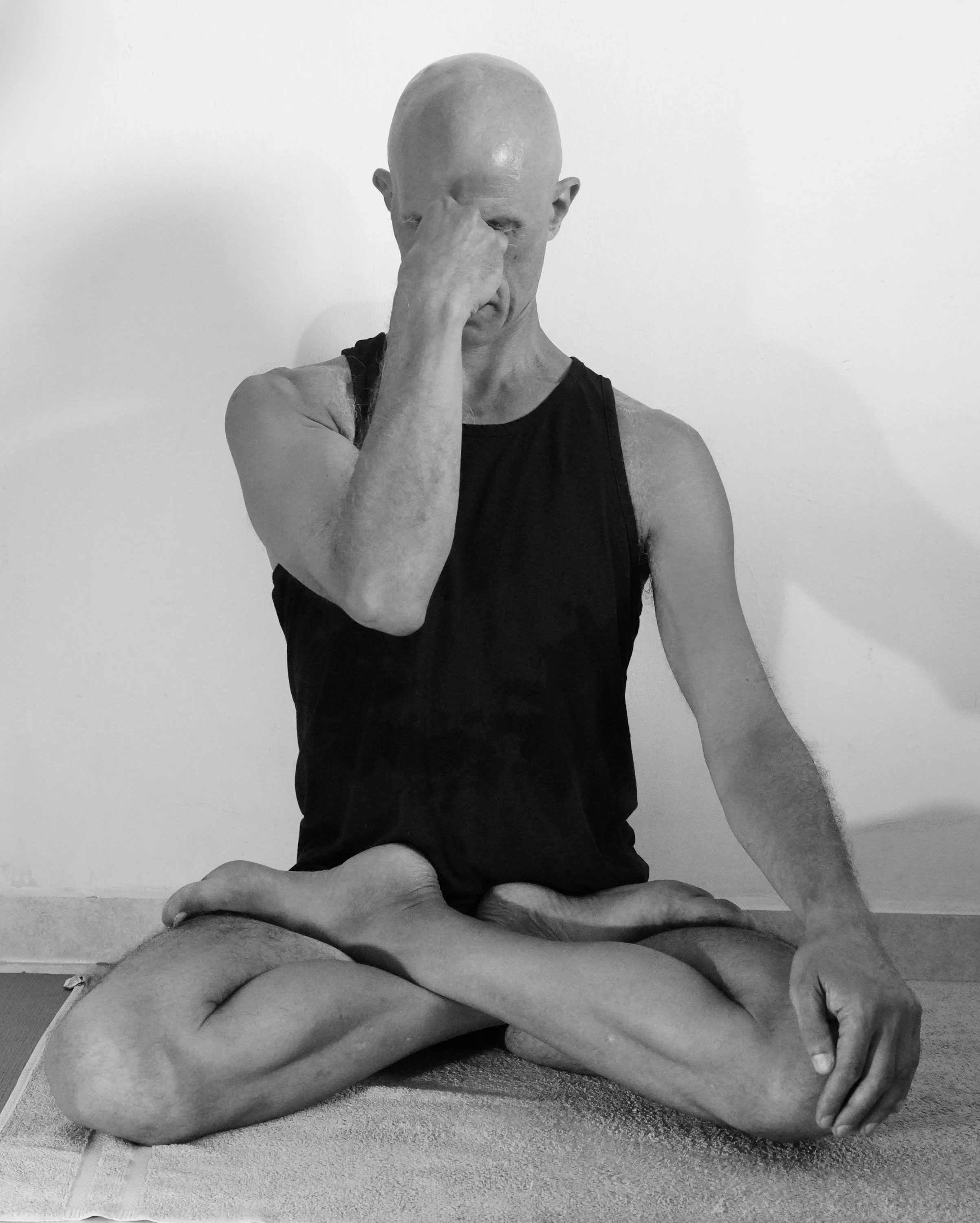
About my Approach
Having become disillusioned by Western academia, I travelled to Mysore in the early 90s, to study yoga in a traditional setting and returned to South India so many times that I lost count. I would sit with a few friends on a simple stone floor listening to the timeless teachings of the yoga masters. I was privileged to study with some wonderful teachers, the most important of whom, Dr KL Śaṅkaranārāyaṇa Jois (Ācārya) has been my guide on the path of yoga for over 35 years.
Over the years we studied many texts - Yoga Sūtra numerous times, Haṭha Pradīpikā, Gheraṇḍa Saṃhitā, Upaniṣads, Gītā, Sāṃkhya, the Epics etc..
But the study of the text itself was not our only purpose. The text provided a jumping off point for further or deeper teaching. The texts are often cryptic and are typically composed in a condensed poetic form, which needs to be unpacked. The unpacking, or commentary is thus essential for one’s understanding.
The Yoga Sūtra is only around 1250 words long - or around 3 pages of text. There are 28 Sanskrit commentaries, with a combined word count of over 1,000,000 words and if you include all the modern interpretations of the text, one can estimate that the commentary on the text is as much as 40,000 times the size of the original text, which gives some idea about how much has been written about the 195 Sūtras.
But the most important insight I gained from teachers in India is that the experience of Samādhi is a natural phenomenon which is accessible when the conditions are right.
We will look at the original text, then by exploring several important commentaries, we reflect on it and we will conclude all our classes with pranayama and meditation on our reflections.
Our intention is to use the text to get deeper and fuller understanding about the nature of Samādhi, which through reflection and meditation can lead towards the cultivation of experience.
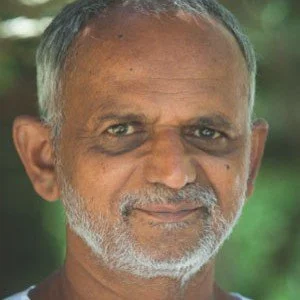
My Teacher - Dr KL Śaṅkaranārāyaṇa Jois
Module Contents
Samādhi Pāda
Yoga = Samādhi
YS 1.1-1.4Vṛttis - Ways of Knowing
YS 1.5-1.11Practice and Non-attachment
YS 1.12-1.16Stages of Samādhi
YS 1.17-1.22Īśvara Praṇidhāna and the Sacred Syllable OM
1.23-1.29Obstacles and Solutions
1.30-1.33Objects for Stabilising the Mind
1.34-1.40Absorption - with/without Thoughts - Gross and Subtle Objects
1.41-1.44Subtlety of Objects Culminates in the Un-manifest and Seedless Samādhi
1.45-1.54
Secondary Texts for this Section:
Kaṭha/Māṇḍūkya/Taittirīya Upaniṣads
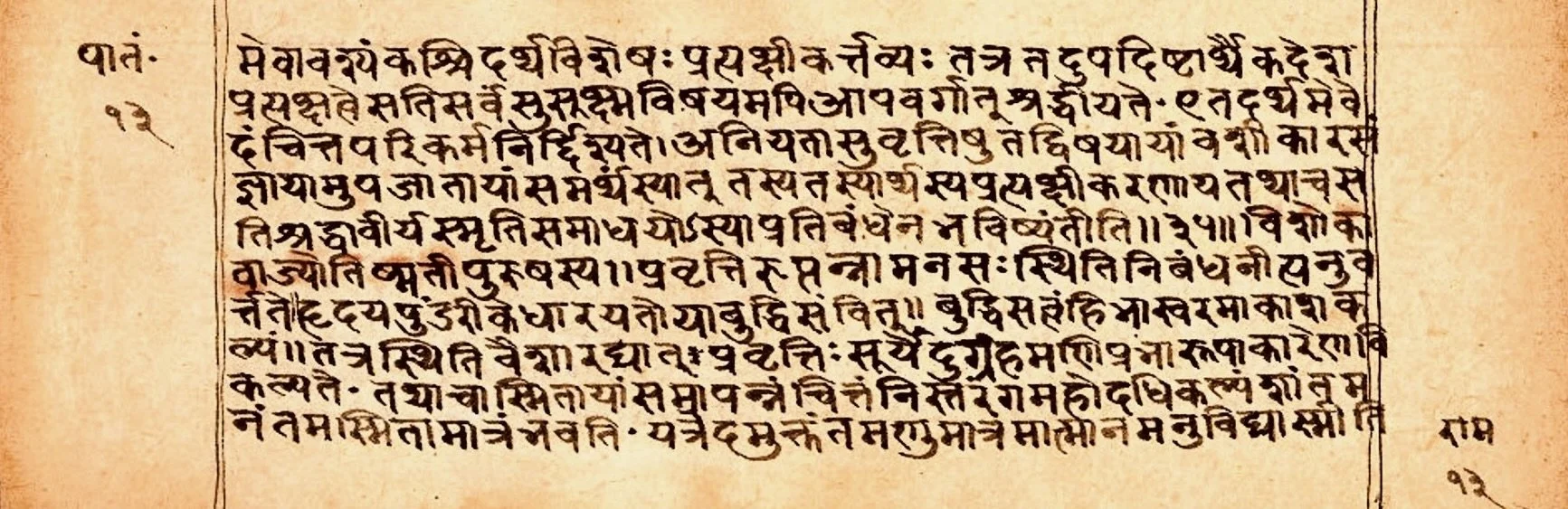
Vyāsa’s commentary on the Yoga Sūtra
Sādhana Pāda
Causes of Suffering and the Means of Overcoming Affliction
2.1-2.11Karma as Root Cause of Suffering
2.12-2.15Future Suffering can be Avoided
2.16-2.20Nature of the Seer - its Isolation through Discrimination
2.21-2.26Seven Levels of Achievement, Eight Limbs of Yoga
2.27-2.31Yama and Niyama
2.32-2.45Āsana and Prāṇāyāma
2.46-2.51Pratyāhāra
2.52-2.54Review
Secondary Texts for this Section:
Sāṃkhya Kārikā/Sāṃkhya Sūtra/HYP/GS/YYS
~
Vibhūti Pāda
details to TBA
Secondary Texts for this Section:
HYP/YYVS/Yoga Upaniṣads
~
Kaivalya Pāda
details to TBA
Secondary Texts for this Section:
Śaṅkara Advaita Texts
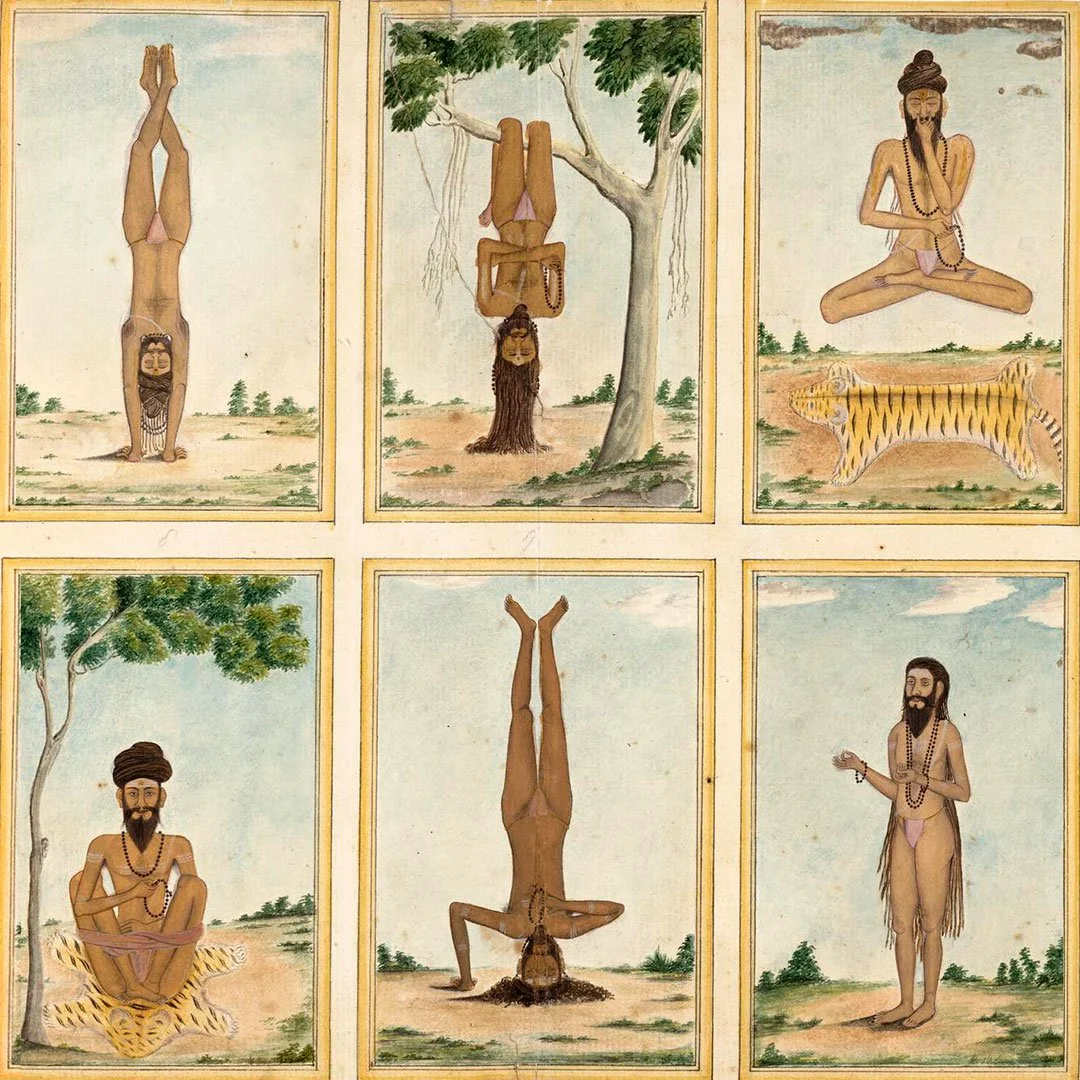
Supplementary Texts
In order to get a deeper understanding of the Yoga Sūtra, it is valuable to study several other texts, in particular, the Upaniṣads, some of the Haṭha texts, some Advaita texts (Gītā and Ādi Śaṅkarācārya’s works) and a study of the Sāṃkhya system.
In this course we will extract some essential readings from: the Bhagavad Gītā, Sāṃkhya Kārikā, Sāṃkhya Sūtra, Kaṭha Upaniṣad, Māṇḍūkya Upaniṣad, Taittirīya Upaniṣad, Yogatārāvalī, Dṛg Dṛśya Viveka, Haṭha Yoga Pradīpikā, Yogayājñavalkya Saṃhitā, Yoga Upaniṣads and more…
Readings from the texts will be in English, without reference to the sanskrit original or in depth commentaries.
These talks will be recorded.
Texts Included:
Haṭha Yoga Pradīpikā
Along with the Yoga Sūtra and the Bhagavad Gītā, the Haṭha Yoga Pradīpikā, is considered one of the most important yogic texts. It is particularly valuable for its description of the nāḍīs, bandhas and prāṇāyāma and the connection between the physical practices and the mental states of meditation.
Yogayājñavalkya Saṃhitā
Another very important Haṭha text, though it is one that is not widely known, and one of Kṛṣṇamācārya’s favorites, the YYS is also valuable for its description of the nāḍīs, for an in depth exploration of pratyāhāra and much more.
Bhagavad Gītā
The BG is one of the most widely read texts in the World, translated into over 100 languages, it is a seminal text on the subject of yoga, seeing it is a practical path of knowledge, as distinct from the theoretical path of Sāṃkhya - though both paths have the same end.
Sāṃkhya Kārikā/Sāṃkhya Sūtra
Sāṃkhya means enumeration, the means of defining, categorizing and explaining the phenomena of the natural, psychological and spiritual world, as well as the means for emancipation from suffering. The categorization, which includes description of both the phenomenal and the psychological landscape is the underpinning of practically all Indian philosophy.
Kaṭha Upaniṣad
The six systems (darśana) of Indian thought all rest their authority on the vedas and particularly on Vedānta, or the Upaniṣads. The Kaṭha Upaniṣad is one of the earliest, and contains some of the earliest examples of yogic thinking.
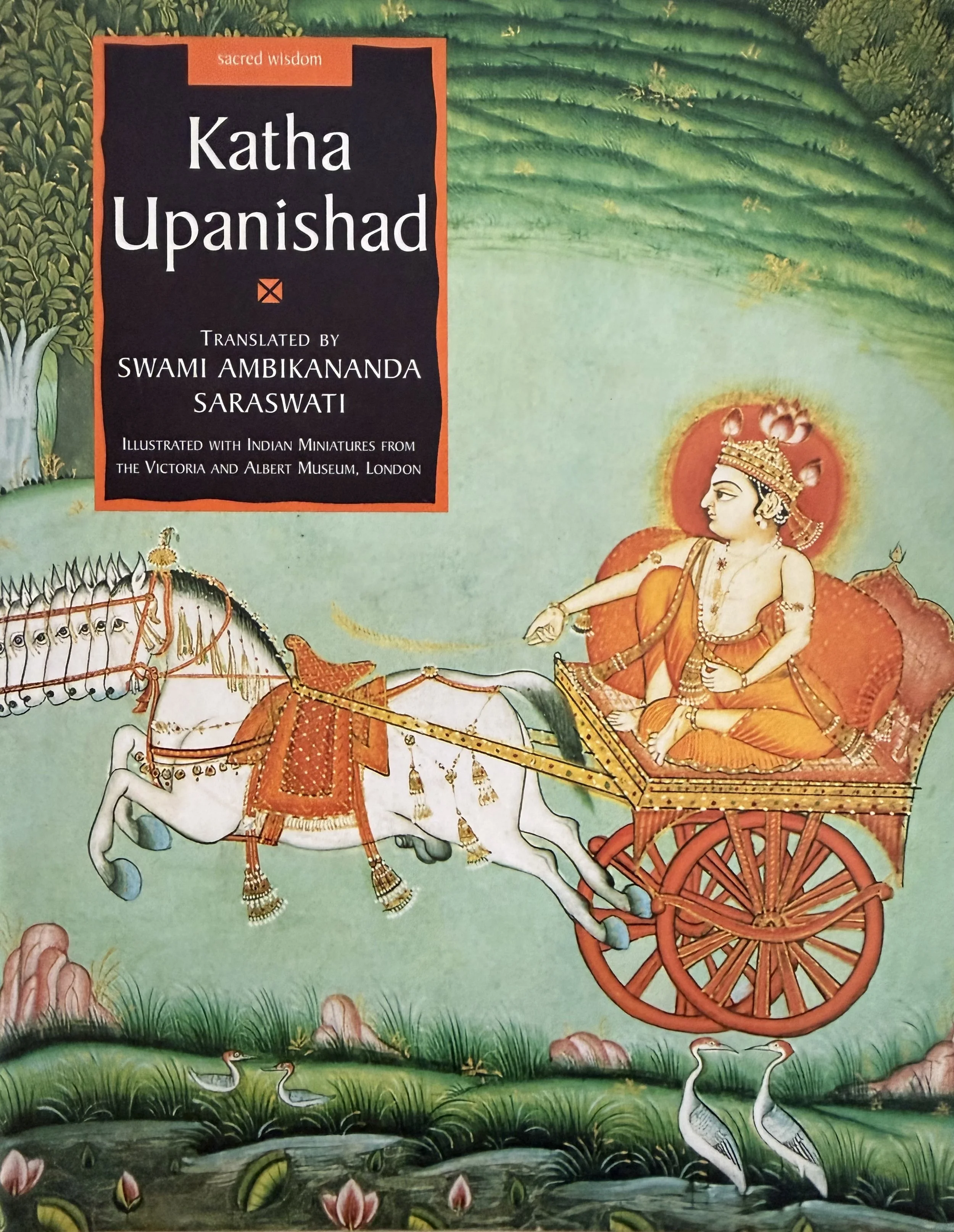
Māṇḍūkya Upaniṣad
Māṇḍūkya Upaniṣad is devoted to the sacred syllable OM and its relation to the waking, dreaming, deep sleep and transcendental states of awareness. Being only 12 short verses long, it doubles as a beautiful meditation on consciousness.
Taittirīya Upaniṣad
The Taittirīya is particularly valuable for its description of the five bodies (physical, prāṇic, mental, intellectual and bliss bodies) and their relationship to each other.
Yoga Upaniṣads
There are numerous little-known upaniṣads that give us valuable insights about many aspects of yoga.
Yogatārāvalī
This is the source text for the “Vande Gurūṇām…” mantra. A short treatise on yoga by the great saint Ādi Śaṅkara.
Dṛg Dṛśya Viveka
Another text from Śaṅkara - a deep meditation on attaining the non-dual state.
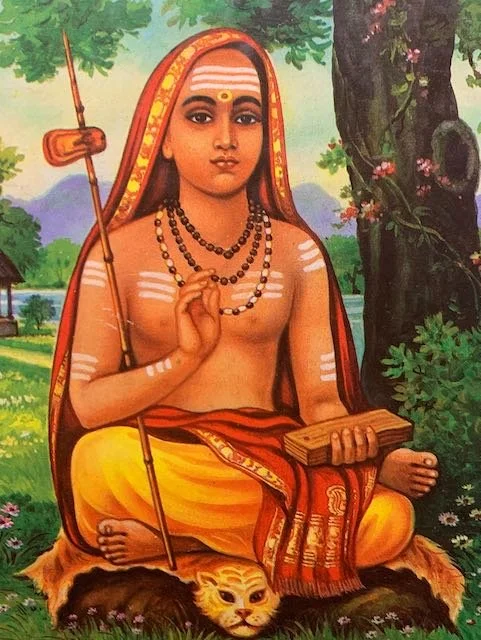
Ādi Śaṅkara
Course Fee
ONE-TIME PAYMENT
€ 2415
CLICK to PAY
EARLY BIRD (before November 1)
€ 2175
CLICK to PAY
Payment Plans
BY PADA (3 instalments)
€805 × 3
CLICK to PAY
MONTHLY INSTALMENTS
€325 x 8
CLICK to PAY
~
QUESTIONS?
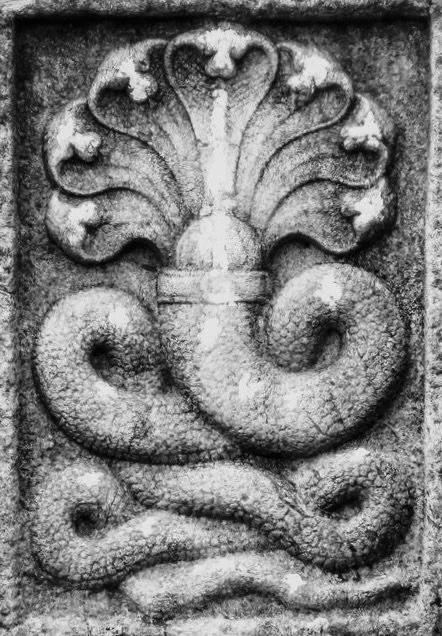
Ādiśeṣa - Patañjali